
FTTH & PON
Sealed SC and LC adapters in ODN enclosures, splitter boxes and subscriber entry points.
- Split ratio and ODN loss
- SC or LC interface type
- Field connector condition
Interface type, sleeve material, key orientation, mounting flange and sealing change what a suitable adapter looks like.
Use each profile as a starting point, then validate the actual interface, panel cut-out, loss budget and mechanical protection.
Sealed SC and LC adapters in ODN enclosures, splitter boxes and subscriber entry points.
High-density LC and MPO adapters with strict polarity and key orientation control.
Access, aggregation and fronthaul panels where interface standardisation and durability matter.
Structured cabling with LC or SC flanges on patch panels, wall boxes and rack hardware.
Metal adapters chosen for heat, vibration, oil and electromagnetic immunity near plant and substations.
Exposed links that demand sealed adapter bodies, gaskets and UV-resistant housings.
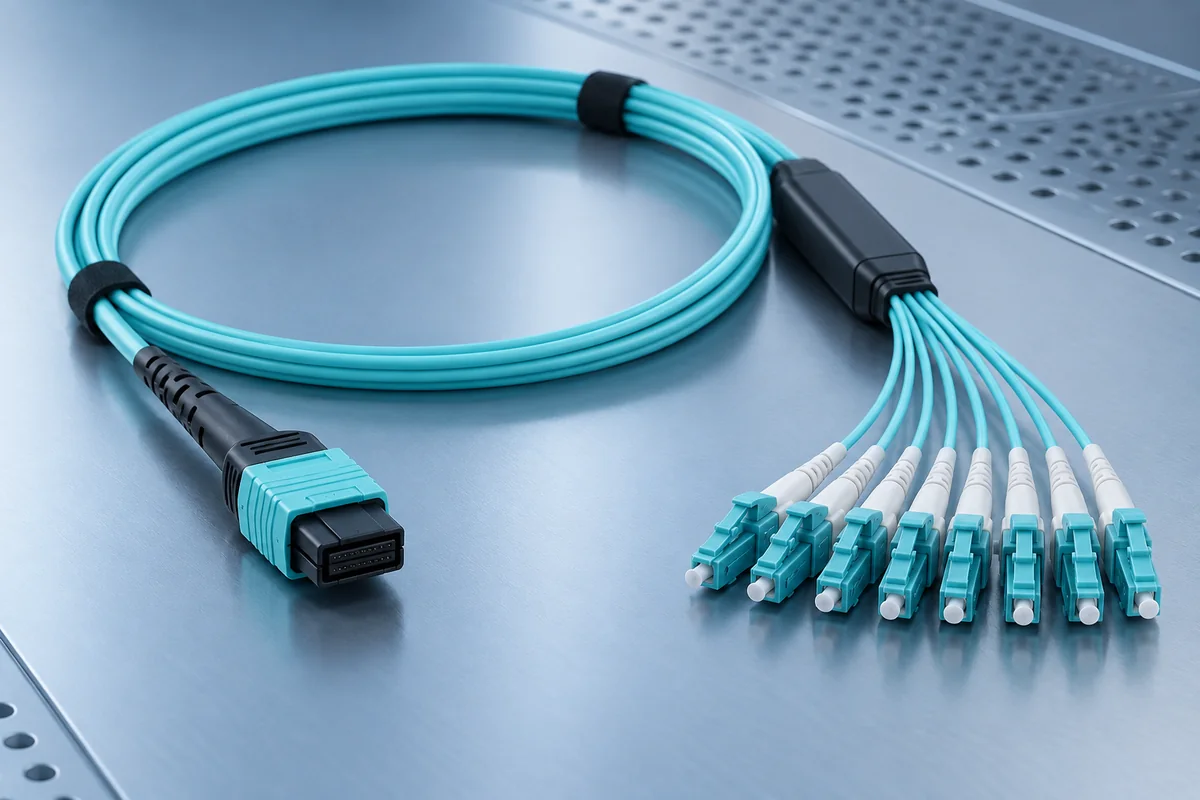
High-density adapter panels can save space, but polarity, key orientation, sleeve condition and access become more important. Outdoor networks may use fewer interface types yet demand better sealing, gasketing and route protection.
A useful adapter specification answers these questions even when the environment changes.
Identify SC, LC, FC, ST, MPO or MTP, and choose UPC or APC end-face geometry.
Record cut-out size, panel thickness, screw spacing and required flange dimensions.
Build a budget from adapter loss, cleaning allowance and measurement uncertainty.
Define inspection, continuity, polarity, insertion-loss and OTDR requirements before commissioning.
Interface type, polish, panel thickness, sleeve preference and environment are the most useful first details.