
Fiber Optic Adapter Selection, Mounting and Test Guides
Use these starting points to connect adapter specifications with real network decisions.
Start with the Question You Need to Answer
Each topic opens a dynamic article route backed by the existing database and routing logic.
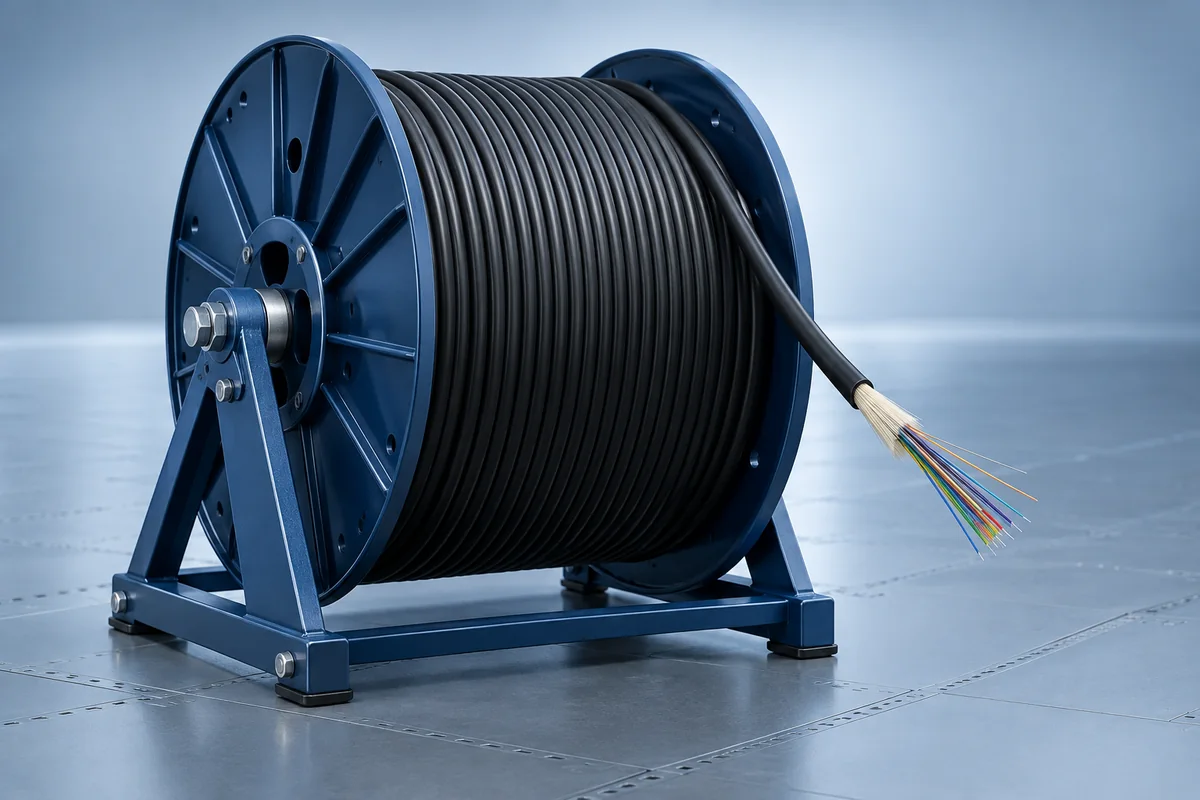
How to Select a Fiber Optic Adapter
Compare interface type, sleeve material, polish, key orientation and mounting style.
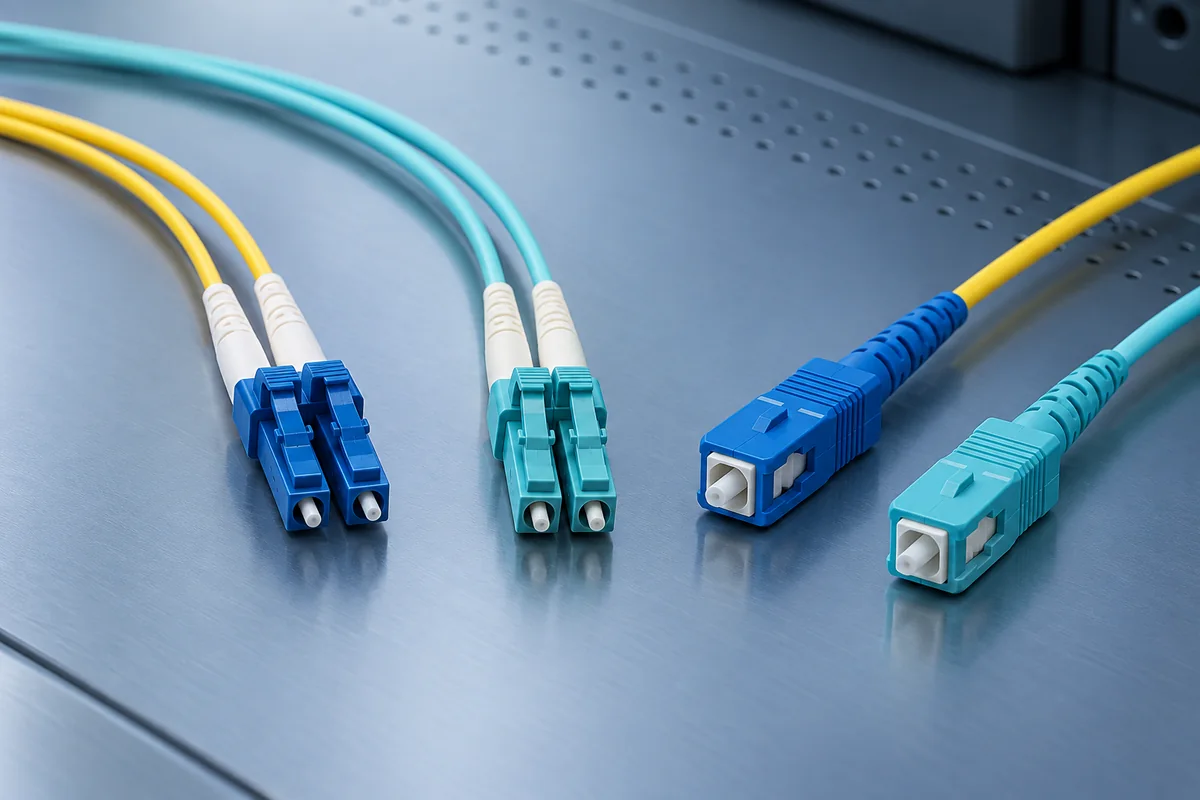
SC Adapters for ODF and PON Panels
Understand 2.5 mm ferrules, UPC/APC polish and simplex or duplex mounting.
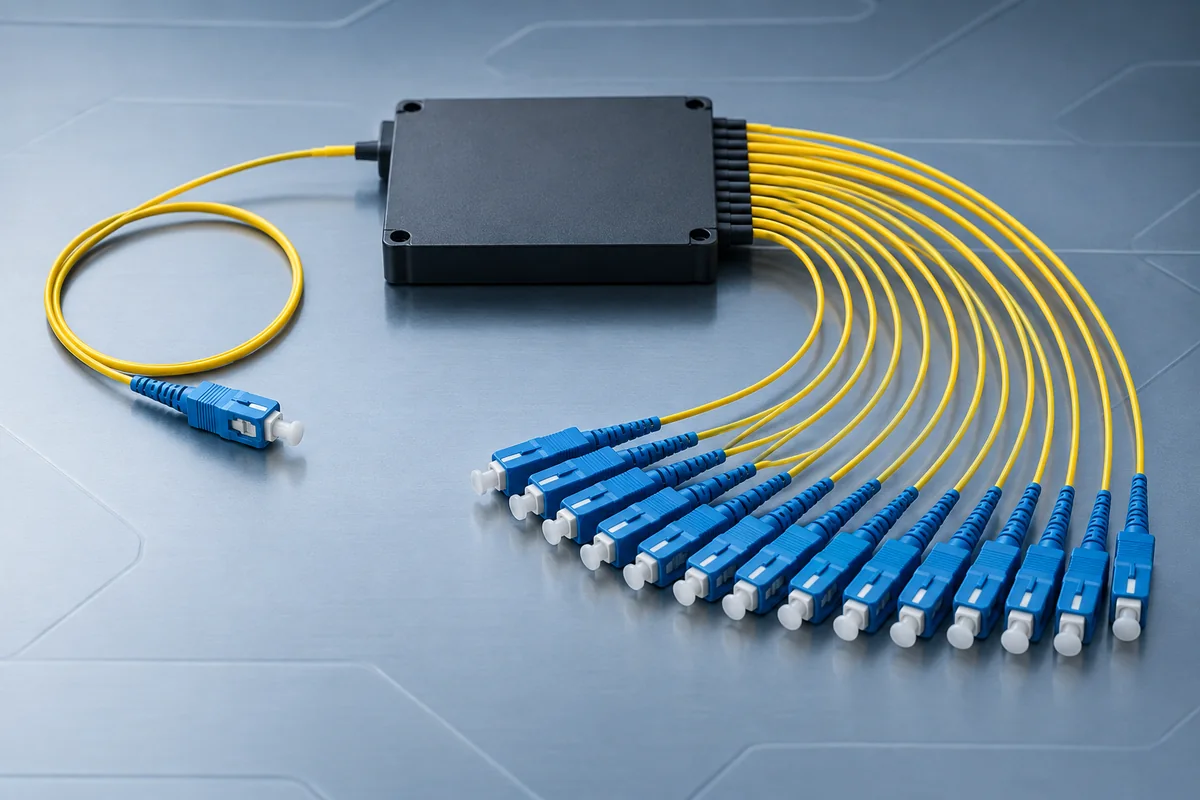
LC Adapters for High-Density Panels
Relate 1.25 mm ferrules, key orientation and flange styles to panel density.
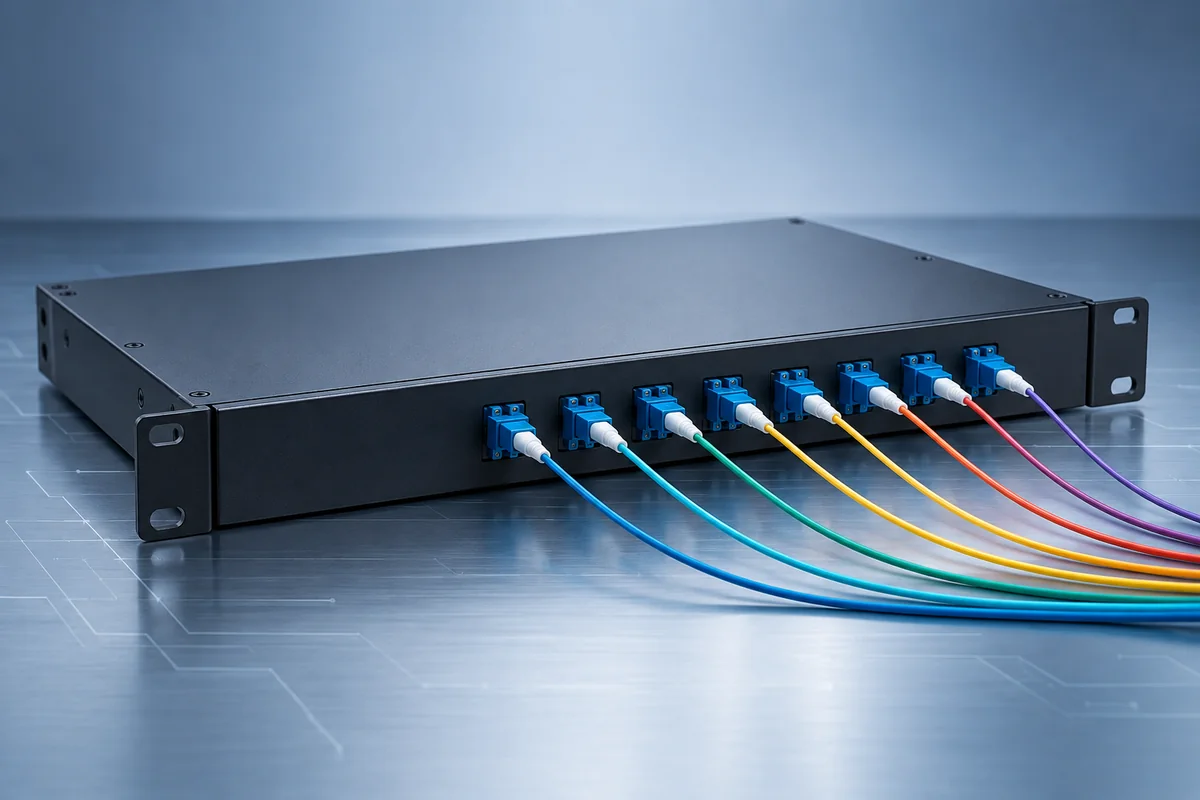
MPO and MTP Adapter Key and Array Basics
Review fiber count, key-up and key-down orientation, polarity and parallel optics.
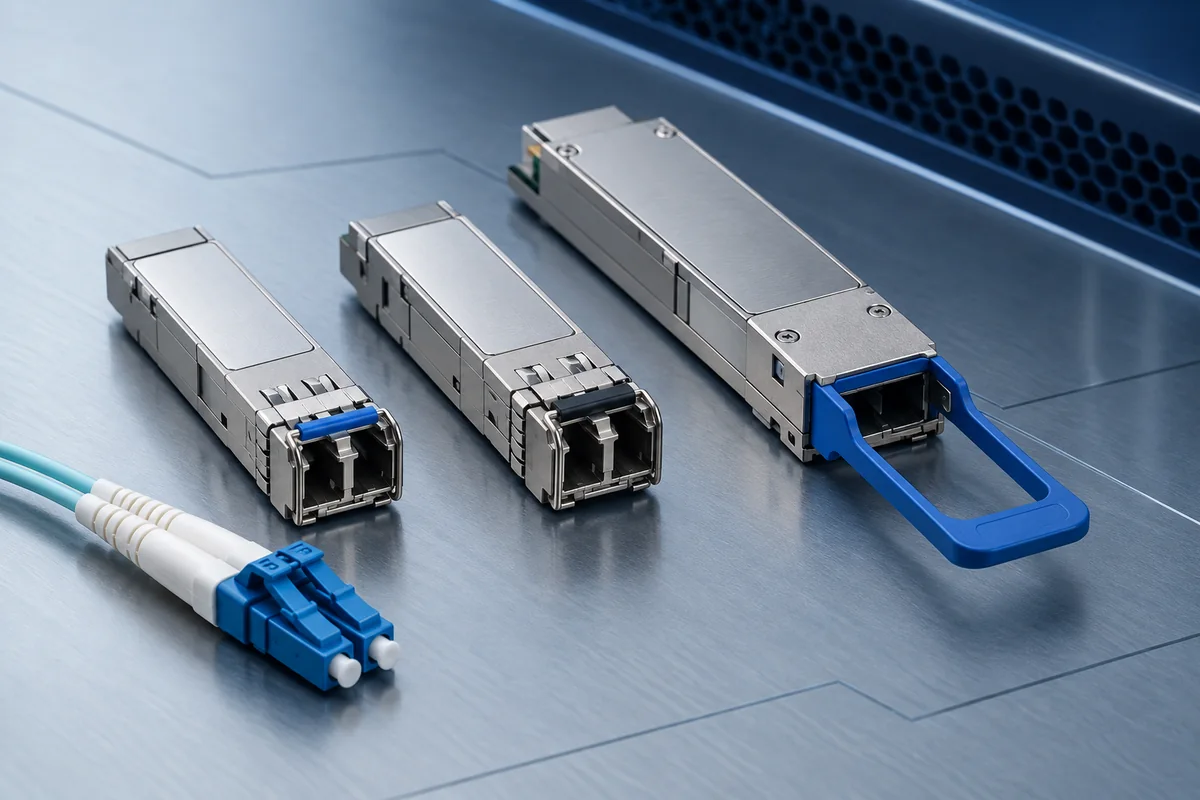
Waterproof Adapter Selection
Match sealing, gasket material, panel mounting and IP rating to the route.
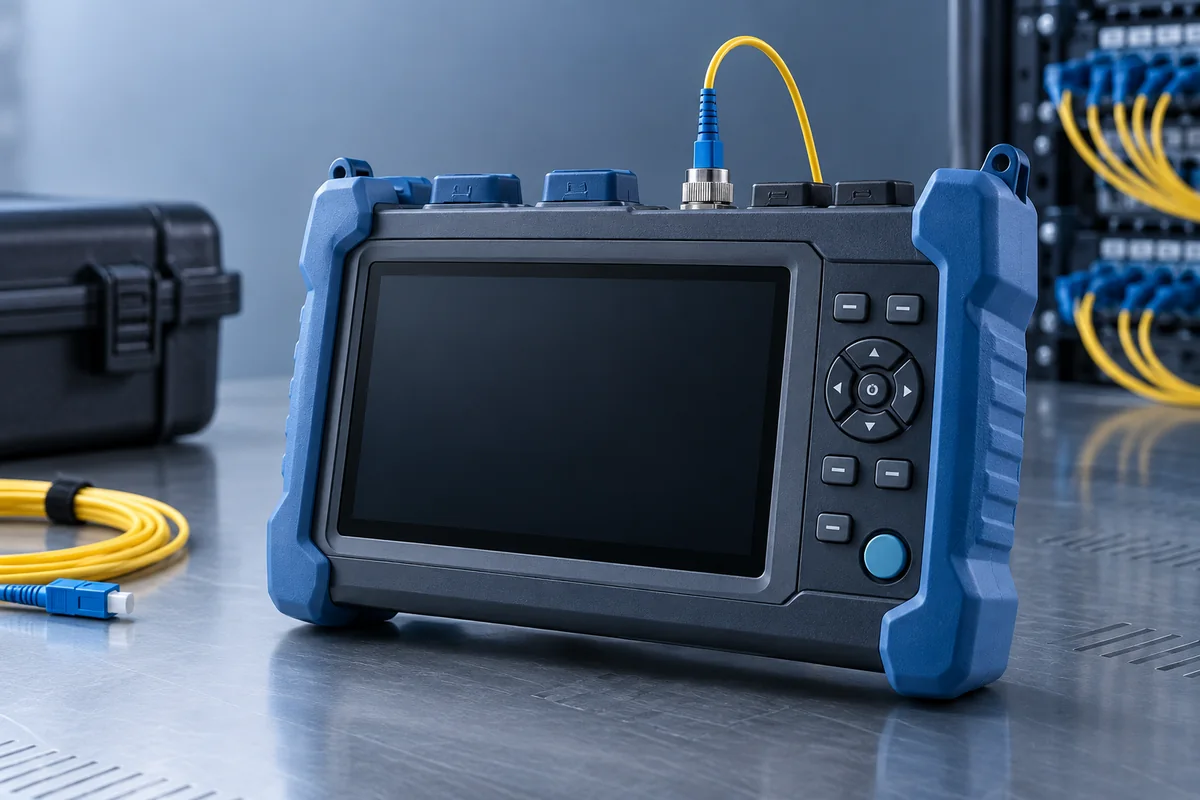
Insertion-Loss and OTDR Testing
Choose the measurement that answers the acceptance or troubleshooting question.
Fiber Optic Adapter Quick Reference
Short answers point to the variables that should be checked in more detail.
What does a fiber optic adapter actually do?
A fiber optic adapter centres and aligns two connector ferrules so light passes from one cord to another. It is a mechanical part with no active components, yet its sleeve tolerance and alignment set the insertion loss and return loss of the joint.
How do I choose between an SC and an LC adapter?
Follow the panel and the port count. SC adapters use a 2.5 mm ferrule and a square push-pull body, which suits ODF frames, ONU and OLT ports. LC adapters use a 1.25 mm ferrule and roughly half the footprint, so they fit high-density panels and SFP or QSFP ports.
Is a fiber optic flange the same as a fiber optic coupler?
In everyday trade use they overlap. Coupler usually describes the alignment function, while flange describes a panel-mount adapter with a mounting plate or screw holes. When ordering, state the interface, the mounting style and the required flange dimensions.
When is a hybrid fiber optic adapter needed?
A hybrid adapter joins two different interfaces, for example SC to LC or FC to SC. It is used during migration, when legacy frames meet new high-density panels, or when test leads must reach a port of a different format without extra cords.
Where should metal and waterproof adapters be used?
Choose metal adapters for vibration, repeated mating and high-temperature racks, where a plastic housing would deform or wear. Choose waterproof adapters on outdoor cabinets, pole-mounted enclosures and drop entry points, where the joint must resist water, dust and UV exposure.
Can UPC and APC adapters be mated together?
No. UPC and APC ferrules have different end-face geometries, so mixing them causes high loss and possible damage. Green usually marks APC and blue marks UPC, and the adapter key must also match the connector key to keep the angled face aligned.
Describe the interface and the decision you are making
Interface type, polish, sleeve material, panel fit, environment and topology help focus the discussion.