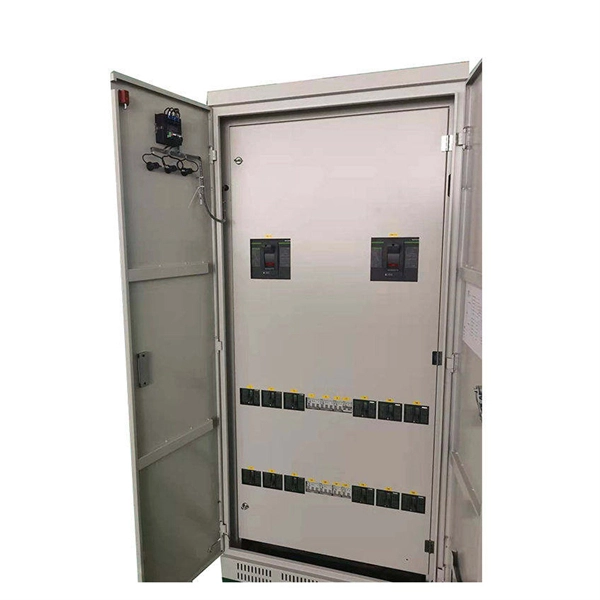
Proper installation of outdoor wiring conduit ensures safe, weatherproof, and code-compliant electrical connections to an outdoor distribution box.Planning and Preparation
Before starting, plan the conduit route from the power source to the outdoor distribution box, considering obstacles, elevation changes, and underground structures . Obtain any required permits and ensure compliance with local electrical codes, such as the NEC in the U.S. . Choose the appropriate conduit type based on exposure and environment: PVC for underground or UV-stabilized outdoor use, rigid metal conduit (RMC) for high-impact areas, or flexible conduit for short runs or tight bends .
Trenching and Conduit Placement
For underground runs, dig trenches to the required depth, typically 18–24 inches for PVC conduit, ensuring the trench is free of rocks or debris that could damage the conduit . Lay the conduit in the trench, using LB conduit bodies at entry points to buildings or boxes for easier wire pulling . Ensure bends do not exceed 360 degrees cumulatively along the run .
Mounting and Securing Conduit
For above-ground or wall-mounted conduit, secure the conduit with straps within three feet of boxes and at regular intervals along the run . Use weatherproof fittings and connectors to attach the conduit to the distribution box, ensuring a tight seal to prevent moisture intrusion . Vertical runs should be supported to prevent sagging or mechanical stress.
Wiring and Connections
Turn off power at the source before pulling wires . Pull the electrical wires (hot, neutral, and ground) through the conduit carefully, avoiding sharp bends or kinks . Connect the wires to the distribution box terminals, matching colors correctly, and ensure all connections are tight and properly grounded . Seal any openings with weatherproof sealant to protect against moisture and corrosion .
Final Steps
Install a weatherproof cover on the distribution box and restore power to the circuit . For underground conduit, refill the trench with soil, compacting it to prevent settling . Schedule an inspection if required by local codes to verify compliance and safety .
Safety and Best Practices
- Always use GFCI protection for outdoor circuits .
- Avoid using indoor conduit types outdoors; select materials rated for UV, moisture, and mechanical stress .
- Consider hiring a licensed electrician for complex or high-voltage installations . Following these steps ensures a durable, safe, and code-compliant outdoor electrical installation that protects wiring from environmental hazards and allows easy access for future maintenance.