DANI ALONSO OPTICALFIBER ADAPTERS Technical Inquiry

Waterproofing methods for junction boxes

Effective waterproofing of junction boxes involves using proper materials, sealing methods, and installation practices to prevent moisture ingress and ensure electrical safety.Importance of Waterproofing

Water can cause short circuits, corrosion, insulation breakdown, and potential electrocution hazards if it enters a junction box. Proper waterproofing not only protects electrical components but also extends the service life of the box and reduces maintenance costs, especially in outdoor, humid, or underground environments .

Key Waterproofing Techniques

1. Use Waterproof Connectors

  • Replace standard wire connectors with gel-filled or heat-shrink waterproof connectors to prevent water from wicking into the box.
  • These connectors create a tight seal around wires, maintaining conductivity and safety . 2. Seal Conduit Connections
  • Ensure all conduit entries are sealed using waterproof conduit fittings and sealants.
  • Apply sealant liberally to threaded connections and tighten fittings securely to prevent leaks . 3. Apply Silicone or Caulk Sealant
  • Use high-quality, outdoor-rated silicone caulk to seal gaps around the box edges, penetrations, and mounting surfaces.
  • For additional protection, adhesive or paint sealants can be applied to seams and cracks . 4. Install a Weatherproof Cover
  • Choose a cover designed for the specific junction box size and type.
  • Ensure it fits snugly and is securely fastened to protect against rain, snow, and dust . 5. Create a Drip Loop
  • When routing wires into the box, form a drip loop below the entry point to prevent water from running directly into the box . 6. Material Selection
  • Use boxes made from ABS, polycarbonate, PC/ABS, fiberglass, or stainless steel depending on environmental exposure.
  • Consider corrosion resistance, impact resistance, and cost when selecting materials . 7. IP Ratings
  • For outdoor or buried boxes, select an enclosure with an appropriate IP rating:
    • IP65–IP66: Wall-mounted outdoor boxes
    • IP67–IP68: Buried or submerged applications 8. Buried Junction Box Best Practices
  • Excavate a trench with proper drainage and compacted base.
  • Place the box on pea gravel or free-draining aggregate to avoid standing water.
  • Use sealed knockouts or cable glands for watertight cable entries . 9. Regular Inspection and Maintenance
  • Periodically check seals, gaskets, and caulking for wear or damage.
  • Clean dust and moisture from the box interior to maintain a safe working environment .
Summary

Waterproofing a junction box requires a combination of correct materials, sealing techniques, and installation practices. Using waterproof connectors, sealing conduits, applying silicone or caulk, installing weatherproof covers, and selecting appropriate materials and IP-rated enclosures are essential steps. For buried or high-moisture environments, proper trench preparation, drainage, and cable sealing are critical. Regular inspection ensures long-term reliability and safety of the electrical system .

Waterproofing methods for junction boxes

The Complete Guide to Waterproof Junction Boxes

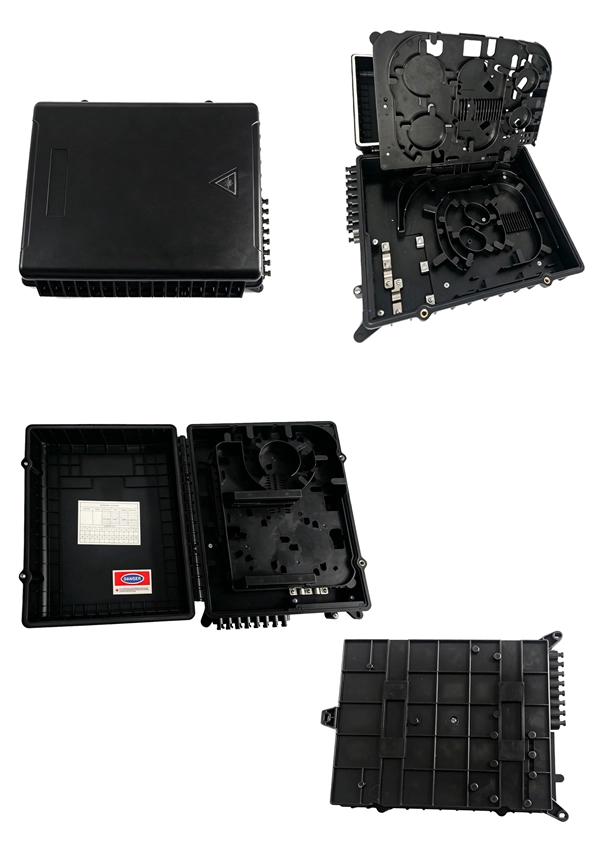
Modern waterproof junction boxes feature specialized gaskets, sealed cable entries, and durable construction

A complete analysis of the cable sealing process for waterproof

In waterproof junction box, cable waterproofing is very important, especially in outdoor or humid environments. Here are

Waterproof Junction Box: A Must-Have Outdoor Cable Connector!

In this video, we explore the essential features and benefits of a waterproof junction box,

Related Video Reference

This video was associated with the source search result. Verify technical details against current product documentation and project requirements.

Technical note

This reference is intended for preliminary fiber optic adapter research. Compatibility, link budgets, connector interfaces, sleeve materials, polish, installation methods, test limits and applicable standards must be verified for the specific project.

Still Have a Technical Question?

Use the inquiry form to describe an adapter requirement, connector interface or testing question.

Start an Inquiry