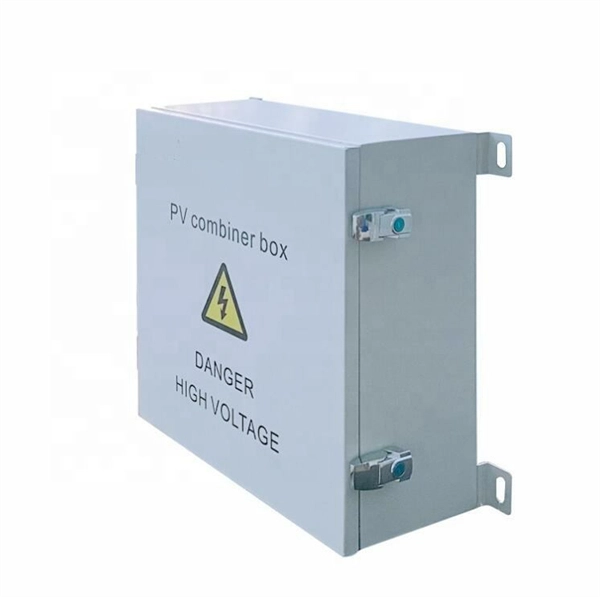
When space is limited for primary distribution boxes, careful planning, modular designs, and proper sizing are essential to ensure safety, compliance, and future expansion.Assess Current and Future Requirements
Start by evaluating the number of circuits, load capacity, and protective devices required now and in the future. Distribution boxes should include spare ways (20–30% extra) to accommodate future expansion without costly replacements or modifications . Consider the type of supply system (single-phase, three-phase, AC/DC) and the protective-device strategy (MCB, RCD, RCBO, SPD) to ensure compatibility with the enclosure .
Optimize Internal Layout
Even in limited space, the internal arrangement of busbars, neutral bars, earth bars, and DIN rails is critical. Poor layout can reduce usable space and complicate wiring. Use compact or modular components that allow stacking or side-by-side installation of breakers and protective devices. Ensure adequate cable entry points and wiring room to prevent overcrowding and overheating .
Choose the Right Enclosure
Select a metal or high-quality plastic enclosure based on the environment. Metal boxes offer higher mechanical strength and durability for industrial settings, while plastic is suitable for indoor residential or light commercial use . Ensure the IP/NEMA rating matches environmental conditions, especially if ventilation or dust protection is a concern .
Consider Modular or Multi-Panel Solutions
If a single box cannot accommodate all circuits, consider modular distribution boards or multiple smaller panels connected in a coordinated system. This approach allows for incremental expansion and easier maintenance while maintaining compliance with safety standards .
Maintain Safety and Compliance
Even in tight spaces, ensure proper grounding, insulation, and separation of neutral and earth conductors. Follow local codes such as IEC 61439, DIN VDE 0100, or NEC for installation, testing, and labeling . Leave sufficient clearance around the box for airflow, heat dissipation, and maintenance access .
Practical Tips
- Use vertical or floor-standing enclosures if wall space is limited.
- Label circuits clearly to simplify troubleshooting.
- Plan for future integration of smart devices, surge protection, or renewable energy systems.
- Conduct regular inspections to detect overheating, loose connections, or corrosion . By combining proper sizing, modular design, and careful layout, you can safely manage limited space for primary distribution boxes while ensuring compliance, reliability, and room for future expansion.