
Optical Transceivers
Search results for fiber optic adapters, SC, LC, FC, ST, MPO and MTP interfaces, couplers, flanges, FTTH, WDM, installation and testing.
-
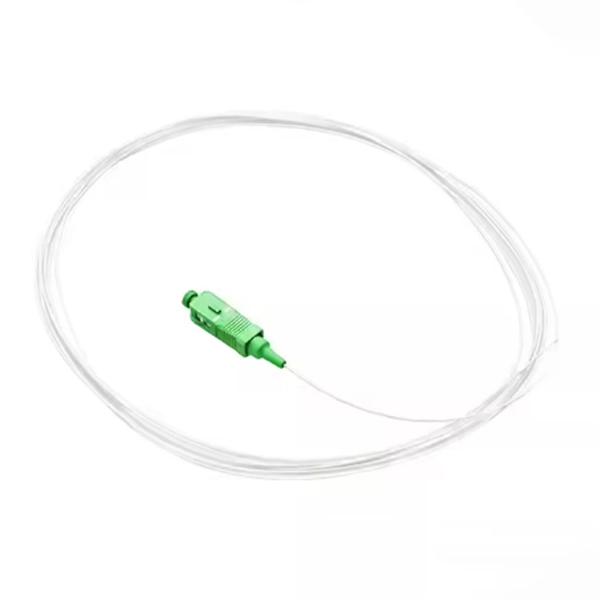
The Relationship Between Fiber Optic Communication and Optical Communication
In the present day a variety of electronic systems optically transmit and receive information carried by pulses of light. cables are employed to carry electronic data and telephone traffic. are also used every day in various applications. Optical fiber is the most common type of channel for optical communications. The transmitters in optical fiber links are generally (LEDs) or. light is used more commonl.
-
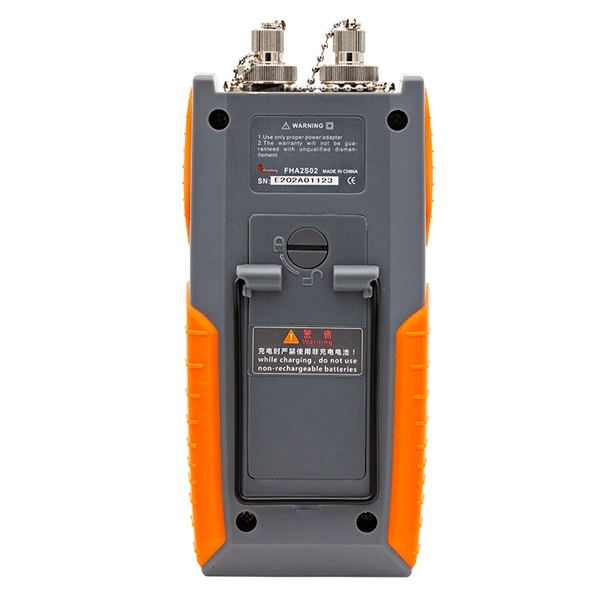
Single and Dual Optical Modules
Dual fiber modules use two fibers. They are easier to set up and give steady communication. Single-mode optical modules are best for long distances and fast speeds. How do we choose, and what are their differences and advantages? Let's learn about this! What is a Single-Fiber (BiDi) Transceiver? Single fiber module also called BiDi transceiver or WDM module. This detailed guide provides a comparative analysis to help you select the optimal 100G transceiver. Optical Transceivers SFPs 800G OSFP/QSFP-DD800, 400G QSFP112/QSFP-DD, 200G QSFP56, 100G QSFP28/CFPx, 40G QSFP+, 25G SFP28, 25G SFP28 Tunable DWDM, 10G SFP+/XFP/X2, 10G Tunable DWDM, 1G SFP, 155M SFP, DAC, and AOC. The fiber optic transceivers convert the electrical input received from. 1, the appearance of the use: single-fiber optical module only a fiber interface to connect a fiber patch cord, dual-fiber optical module has two fiber interfaces to connect two fiber patch cords.
[PDF Version]
-
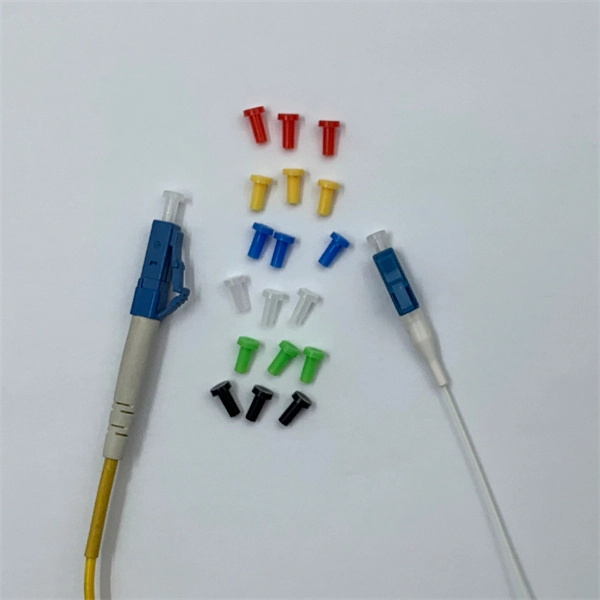
Optical Module Logical Functions
At the heart of every optical transceiver lie three essential components, often called the “Three Pillars” of optical communication: Laser — generates light. Modulator — encodes data onto the light. Operating at the physical layer of the OSI model, optical modules are core devices in optical. The optical module, known as Optical Transceiver in English, is a general term for various module categories, including optical receiver modules, optical transmitter modules, optical transceiver modules, and optical forwarding modules. Today, when we talk about optical modules, we usually mean. The Transmitter Optical Sub Assembly (TOSA) is responsible for the emission of light. Its primary function entails converting electrical signals into optical signals. This assembly comprises a light source, such as a laser diode or a semiconductor light-emitting diode (LED), an optical interface, a. An optical module is a typically hot-pluggable optical transceiver used in high-bandwidth data communications applications. Among various optical module form factors, SFP (Small Form-Factor Pluggable).
[PDF Version]
-
What optical module is used for fiber optic network cards
The SFP module enables fiber-optic transmission between network devices such as switches, routers, server cards, or media converters. Whether you're upgrading a workstation, scaling a small business network, or building out a hyperscale data center, a fiber network card (NIC, network interface card) is one of the most critical components for connectivity. This modular. The right optical transceiver module can enhance your network performance; you will enjoy superior data flow speeds and reliable connectivity for little or no additional cost. The following article will describe the important types of optical transceivers, so you will know which optical transceiver.
-

48-core optical fiber distribution box OEM
FDB-48 Series 48 ports Fiber Distribution Box, also called Splitter Distribution Box or Fiber Terminal Box, can be used in FTTH projects and is suitable for corridor, basement, room, and building's outer walls application. With the function of the mechanical splice, fusion splice, light splitting. 48 Port Fiber Distribution Box provides 16, 24, 32 or 48 SC ports in a traditional two-layer design – a rear splice area for cable slack and splice protection, and a front interconnect area for SC ports. 19" inch structure can be fitted in an existing optic fiber distribution frame to expand the capacity of fibers, inside with two piece of guide ways make it easy to installing. The HTB8048 Fiber Optic Terminal Box is a versatile, high-capacity termination solution for FTTx applications, offering secure fiber splicing, distribution, and cable management. Built with an IP65-rated enclosure, this terminal box is designed to withstand harsh environments, making it suitable. Professional fiber optical box manufacturer & supplier, a range of standard fiber distribution box and customized fiber box are available.
[PDF Version]
-
Central Asia AAG Optical Cable
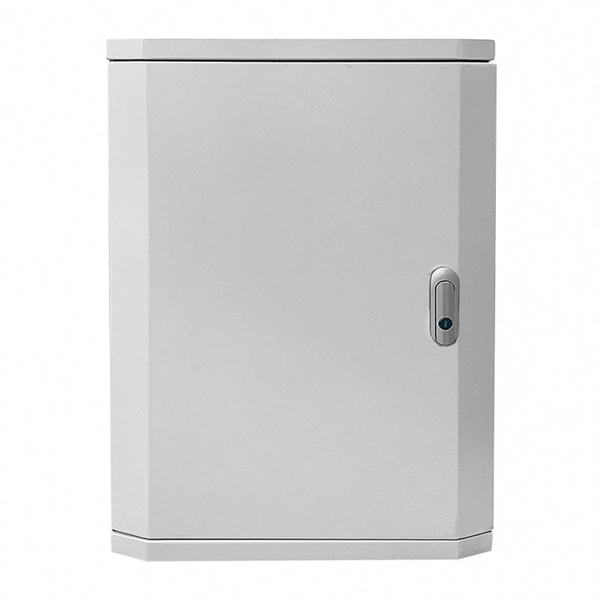
The Asia-America Gateway (AAG) is a 20,000-kilometre (12,000 mi) long, connecting South-East Asia with the mainland of the United States, across the via and. The cable is capable of delivering up to 2.88 Tbit/s (US–Hawaii and Hong Kong–South East Asia) and 1.92 Tbit/s (Hawaii–Hong Kong). The cable was ready for service on November 10, 2009.
-
What are optical modules called in Ethiopia
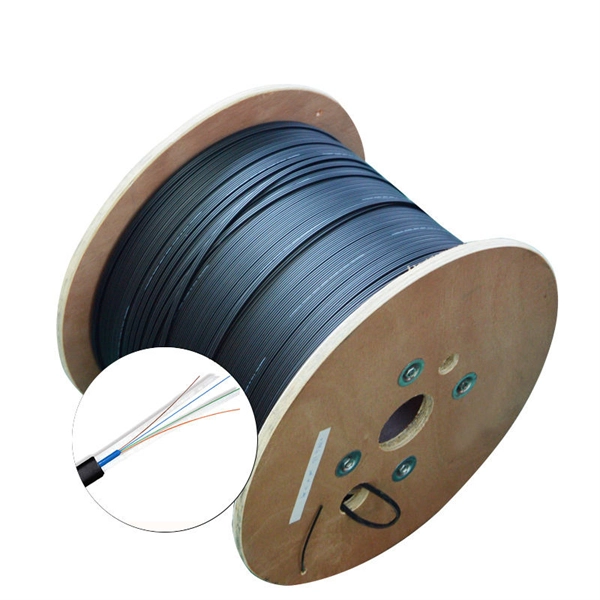
An optical module is a typically hot-pluggable optical transceiver used in high-bandwidth data communications applications. Optical modules typically have an electrical interface on the side that connects to the inside of the system and an optical interface on the side that connects to the outside world through a fiber optic cable. The form factor and electrical interface are often specified by an interested group using a (MSA). Optical modules can either plug into a front pa.
Fiber Optic Adapter Network Updates
- New Belgian Telecom Shelter
- Transmission Rate of Single-Mode Single-Fiber Optic Module
- Is it useful to install an optical module on a TP-Link router
- How much does fiber optic cable cost per ton for computer rooms
- Supplier s Figure 8 Fiber Optic Cable G 657A2
- Should the room use fiber optic cable or patch cord
- How to restore settings on a fiber optic router
- Is PCM transmission equipment a type of optical communication equipment
- Dominic Intelligent Optical Attenuator Factory
- Upgraded version of optical time domain reflectometer with three-year warranty
- Optical Module Sector Trends
- Fiber Optic Communication Industry 2019
- How to connect patch cords to a smart patch panel
- Seamless connection between Zigbee and fiber optic communication
- Ghana Importer of Fiber Optic Cables for Smart Buildings Installation
- Ethiopia Solution Special Single-Mode Optical Cable
- Indoor Single-Mode Optical Cable Unpacking Method
- Miniature Optical Cable Extension Machine
- Should the fiber optic panel and switch be separate
- Non-standard pigtail fiber procurement process
- How to connect a 12-core fiber optic cable aviation connector
- Huijue Fiber Distribution Boxes for Sale
- Fiber optic cable pole joint reservation
- Bridging Fiber Optic Cable with a Wireless Router
- What brand is the NSN optical module